
Your 30s are the sweet spot for anti-aging, early enough to prevent, late enough that it actually matters. This is the decade when collagen production begins to slow, and the sun damage from your teens and twenties starts to surface as fine lines and uneven tone. The good news is that small, smart steps now pay off for decades. This guide covers the best anti-aging treatments for your 30s, the science behind why they work, and how to start an effective anti-aging treatment plan in Naperville that you can build on for years.
Why Your 30s Are the Ideal Time to Start
In your 30s, the changes in your skin are still subtle and easy to address, which is exactly why prevention is so powerful right now. Acting early means you can maintain your skin rather than scramble to correct bigger changes later. Think of it like dental care or home maintenance: consistent, modest upkeep is far easier and more effective than major repair down the road. Starting an anti-aging routine in your 30s lays a foundation that keeps your skin looking healthy, fresh, and well-rested well into the future, and it usually means you'll need fewer, gentler treatments later on.
The Science: What's Actually Happening to Your Skin
To choose the right treatments, it helps to understand what's changing. Two big things happen in your 30s. First, collagen, the protein that keeps skin firm, plump, and bouncy, begins a slow, steady decline. Second, accumulated sun exposure from earlier years begins to show up as fine lines, age spots, and uneven skin tone. The National Institute on Aging explains that the sun is a major contributor to skin aging and that protecting and caring for your skin makes a real difference. Effective anti-aging works on both fronts: protecting against further damage while supporting collagen and renewal.
First, the Foundation: Sun Protection and Skincare
Before any in-office treatment, the single most effective anti-aging step is sun protection. No treatment can outpace ongoing, unprotected sun damage, so daily broad-spectrum sunscreen is non-negotiable, as it prevents the wrinkles, age spots, and loss of elasticity that the sun drives. MedlinePlus has helpful guidance on safe sun exposure. A solid anti-aging skincare routine in your 30s builds from there: gentle cleansing, a quality moisturizer, and ingredients suited to your skin. Get this foundation right, and every treatment you add works better and lasts longer.
1. Preventive Injectables
Starting small with injectables in your 30s can soften dynamic lines, the forehead lines, frown lines between the brows, and crow's feet around the eyes before they set into permanent creases. These lines form from repeated muscle movements over the years, and by gently relaxing those specific muscles, injectables prevent the lines from etching deeper. The keyword in your 30s is "preventative": a conservative, natural approach that maintains your expressions while heading off the deeper lines of later decades. Many people find that starting early means they need less overtime, because the lines never get a chance to set. Our Botox guide explains how it works, what to expect, and how to do it safely.
2. Chemical Peels and Anti-Aging Facials
Chemical peels and a professional anti-aging facial in Naperville work at the surface and just below it, exfoliating and stimulating cell turnover to improve tone, texture, and early sun damage. In your 30s, these treatments are excellent for keeping skin bright, even, and smooth, and for tackling the first signs of discoloration and dullness before they deepen. Peels range from light, no-downtime refreshers perfect for regular maintenance to deeper treatments that address more significant sun damage. Done on a sensible schedule, an anti-aging facial or peel is one of the most accessible and rewarding treatments available, giving you that healthy, refreshed glow. Our chemical peel guide covers the types and what to expect.
3. Collagen-Stimulating Treatments
Because collagen starts declining in your 30s, treatments that actively stimulate its production are especially valuable now. Microneedling is a standout: it creates controlled micro-injuries that prompt your skin to produce fresh collagen and elastin, helping maintain firmness and smooth early texture changes, fine lines, and scarring. By building collagen now, you offset the natural decline ahead and keep your skin resilient. These treatments are done as a series for the best results, with the benefits accumulating over time. Learn more in our microneedling guide.
Building Your Personalized Anti-Aging Plan
The best anti-aging treatments aren't one-size-fits-all. Your ideal plan depends on your skin type, your specific concerns, and your goals. Someone focused on early sun spots needs a different emphasis than someone focused on the first expression lines. The most effective approach combines a daily foundation of skincare and sun protection with the right in-office treatments at a sensible cadence, all guided by a provider who can tailor it to you and adjust it as your skin changes. Often this means layering: a little prevention with injectables, regular peels or facials for tone, and periodic collagen-stimulating treatments for firmness.
Common Mistakes to Avoid in Your 30s
A few pitfalls are worth flagging. The first is skipping sunscreen, which undoes the benefit of everything else. The second is doing too much too aggressively; in your 30s, gentle and consistent beats harsh and sporadic. The third is chasing trends instead of treating your actual concerns. And the fourth is that inconsistency, anti-aging rewards steady habits far more than occasional dramatic interventions. Avoiding these keeps your skin healthy and your results natural.
Why Starting in Your 30s Works
The theme throughout is prevention over correction. Addressing early changes now and protecting against the sun every single day means fewer and gentler treatments later, and skin that ages more gracefully. It's the difference between maintaining your skin and constantly chasing it. Starting in your 30s is genuinely one of the best long-term investments you can make in how your skin looks and feels.
Start Your Anti-Aging Plan in Naperville
Want a plan tailored to your skin? Explore our anti-aging and aesthetic treatments in Naperville, or book a consultation to get started.
Call us at (877) 885-8784 to schedule your session or learn more.
Follow us on Facebook and Instagram for wellness tips, exclusive offers, and updates on our latest treatments!
FAQs
When should I start anti-aging treatment?
Your 30s are ideal, early enough to prevent deeper lines and maintain collagen, with daily sun protection as the foundation. Starting early usually means gentler, fewer treatments over time.
What are the best anti-aging treatments for your 30s?
There's no single best sun protection, plus a mix of preventative injectables, peels, or an anti-aging facial, and collagen-stimulating treatments like microneedling works well together.
Is preventative treatment really worth it?
Yes, prevention is generally easier, gentler, and more effective than correcting bigger changes later, and it tends to look more natural.
Do I need to do all three treatments?
A provider cannot necessarily tailor a plan to your specific concerns, which might emphasize one approach over the others.
Related Articles
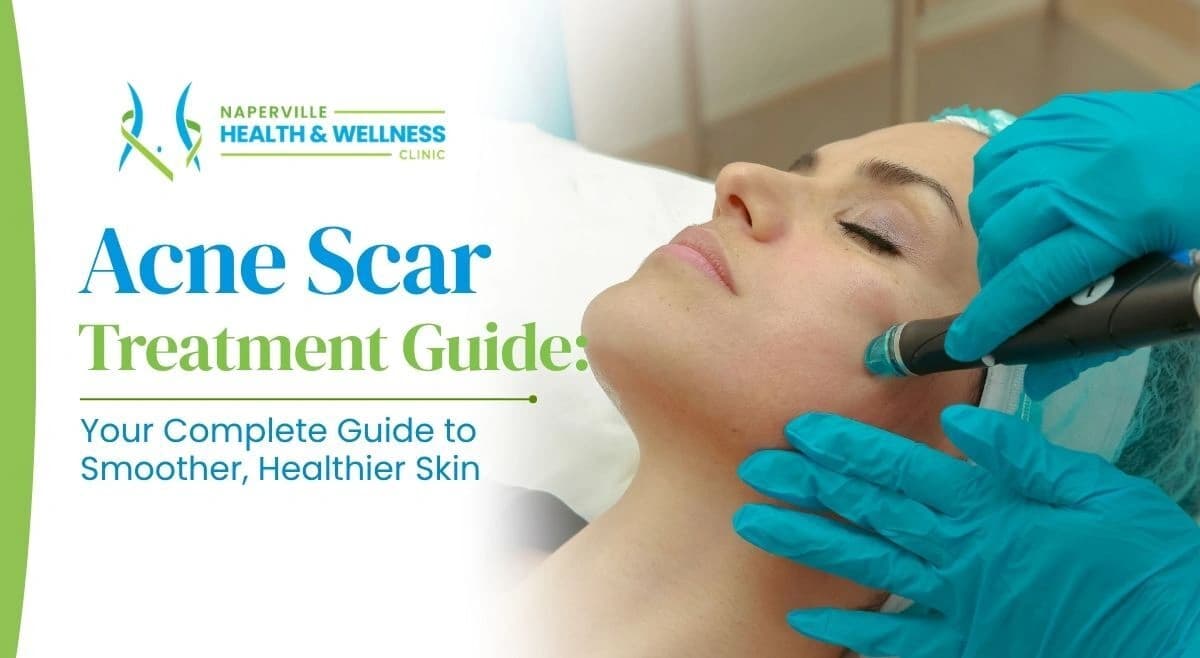
Acne Scar Treatment in Naperville: Laser, Microneedling, and What Actually Fades Scars
Acne scars respond to treatment, but the right treatment depends on the kind of scar you have. Here is how microneedling, laser resurfacing, and chemical peels compare for rolling, boxcar, ice pick, and pigment scars, and what results to realistically expect.
Read More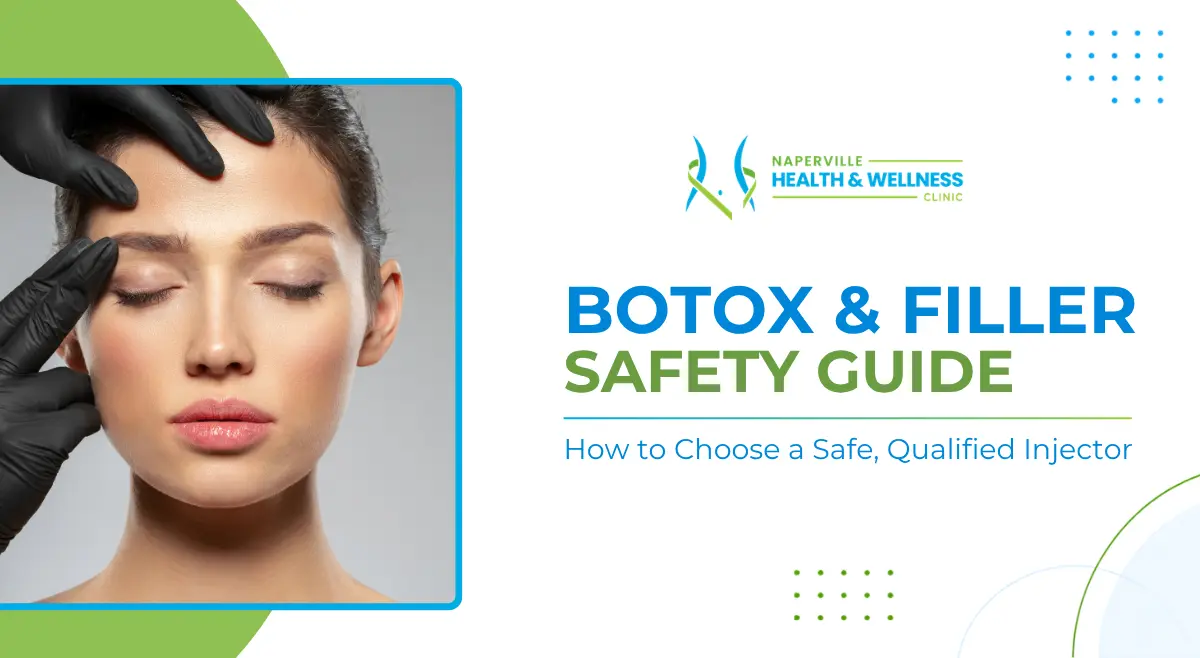
Med Spa vs. Medical Clinic for Botox and Fillers: Why the Injector Matters More Than the Menu
Med spa is a marketing term, not a license. Here is what Illinois actually allows for Botox and filler injectors, the red flags at discount injectable events, and six questions to ask before you book in Naperville.
Read More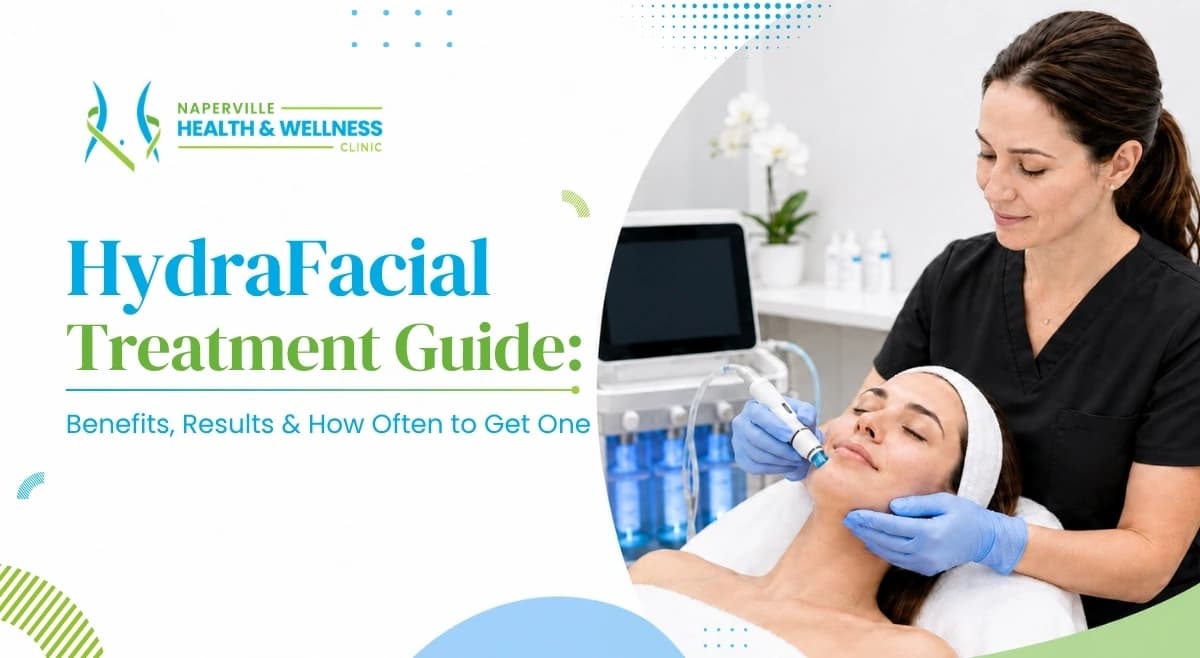
HydraFacial in Naperville: What It Does, Who It's For, and How Often to Get One
Uncover the secrets to clear, radiant skin with our ultimate guide to HydraFacial in Naperville. Learn how vortex-fusion technology cleanses and hydrates, who benefits most, and how often to schedule sessions for lasting results.
Read MoreReady to Take the Next Step?
From medical weight loss and semaglutide to IV infusions and aesthetic treatments, our Naperville clinic offers a full range of health and wellness services built around your goals.