
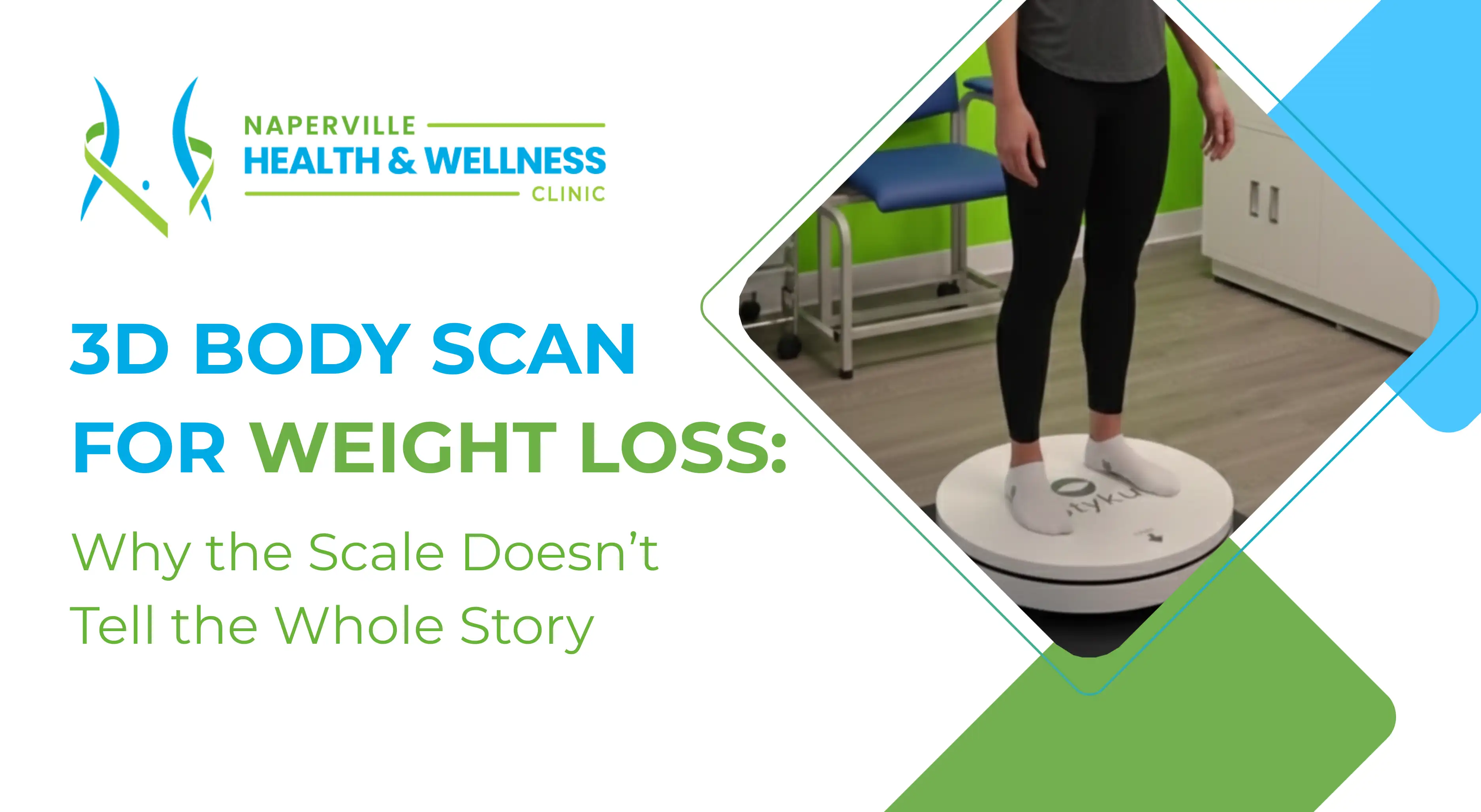
When you step on a traditional bathroom scale, it tells you one thing: your total weight. But that single number is a bit of a mystery. It doesn’t tell you how much of that weight is muscle, how much is bone, or, most importantly, where your fat is stored.
For many of us, weight loss is about "stubborn fat," the kind we can pinch on our arms or thighs. But medical professionals are often more concerned with the fat we can’t see. This is where a 3D body scan for weight loss becomes an invaluable tool. It pulls back the curtain on your internal health, showing you exactly what is happening under the surface so you can make informed decisions about your wellness.
Understanding the Two Types of Fat: Subcutaneous vs. Visceral
To understand your body, you first need to know that not all fat is created equal. Our bodies store fat in different ways:
- Subcutaneous Fat: This is the "stubborn fat" located just under your skin. It’s what you feel when you pinch your waistline. While it can be frustrating from a cosmetic standpoint, it is generally less harmful to your long-term health than the alternative.
- Visceral Fat: This is the hidden "active" fat. It is stored deep within the abdominal cavity, wrapping around your internal organs like the liver, pancreas, and intestines.
The Hidden Dangers of Visceral Fat
While subcutaneous fat might change how your clothes fit, visceral fat changes how your body functions. It isn't just sitting there; it acts like an organ itself, secreting hormones and inflammatory substances.
The CDC notes that carrying excess weight, particularly in the midsection, is a significant risk factor for several serious conditions. Because visceral fat is so close to your portal vein (which carries blood to the liver), it can release free fatty acids into the blood, affecting your cholesterol and insulin levels.
High levels of visceral fat are linked to:
- Type 2 Diabetes: Increased insulin resistance.
- Heart Disease: Higher risks of hypertension and stroke.
- Chronic Inflammation: Which can damage healthy tissues over time.
Accuracy of 3D Composition: Beyond the Measuring Tape
Traditional methods of tracking health often fall short. You might lose five pounds of fat but gain five pounds of muscle; on a regular scale, it looks like nothing happened. A 3D body scan changes that narrative by providing a highly accurate "map" of your body.
BMI vs. True Body Fat Percentage
For decades, the Body Mass Index (BMI) was the gold standard. However, the NIH clarifies that BMI is a simple calculation based only on height and weight. It cannot distinguish between a muscular athlete and someone with high levels of body fat.
A 3D body scan provides your true body fat percentage. By using infrared light or high-resolution imaging, these scans extract thousands of data points to calculate your body volume. This allows us to see if your weight is coming from healthy lean mass or potentially dangerous fat deposits.
Muscle Asymmetry and Structural Health
A 3D scan does more than just count fat; it looks at your posture and balance. Muscle asymmetry occurs when one side of your body is stronger or more developed than the other. This can lead to chronic back pain, joint issues, and a higher risk of injury during exercise. Identifying these imbalances early allows you to adjust your fitness routine to protect your joints and spine.
Why a 3D Body Scan for Weight Loss is a Game Changer
If you’ve ever felt discouraged because the scale wouldn't budge, you aren't alone. A 3D body scan for weight loss provides the emotional "win" you need. It shows "non-scale victories," such as:
- Losing inches off your waist even if the weight stays the same.
- Improvements in your posture and alignment.
- A decrease in visceral fat levels, even if "stubborn" subcutaneous fat is still there.
Creating a Targeted Plan for Your Health
Once we have your scan results, we stop guessing and start targeting. Knowing your exact body composition allows your healthcare provider to tailor a nutrition and exercise plan specifically for you. For example, if your visceral fat is high, the focus might shift toward cardiovascular health and metabolic screening rather than just calorie restriction.
Tracking Clinical Progress with Precision
One of the most powerful aspects of this technology is the ability to "overlay" scans over time. Tracking clinical progress becomes visual. You can see a 3D time-lapse of your body transforming. This high-level precision ensures that the weight you are losing is the "bad" fat (visceral) while you are maintaining or building the "good" weight (muscle).
Monitoring body composition can be a vital part of managing obesity-related conditions. Seeing the digital proof of your hard work is often the best motivation to keep going.
See What the Scale Can’t Show
If you’re in the Naperville Health & Wellness Clinic and serious about understanding your body beyond the scale, a 3D body scan for weight loss can give you the clarity you need. Get real data, track true progress, and build a personalized plan designed around your body not guesswork
Start your wellness journey in Naperville with insights that actually move the needle.
Call us at (877) 885-8784 to schedule your session or learn more.
Follow us on Facebook and Instagram for wellness tips, exclusive offers, and updates on our latest treatments!
FAQs
Is a 3D body scan safe?
Yes. Most 3D body scanners use simple infrared light (similar to a TV remote) or high-resolution cameras. They do not use ionizing radiation.
How long does the scan take?
The actual scanning process usually takes less than 60 seconds. You’ll receive a full report shortly after.
Do I need to fast before a 3D body scan?
While not always required, it is recommended to stay consistently hydrated and perhaps avoid a heavy meal right before the scan for the most accurate "baseline" measurements.
Can a 3D scan tell the difference between muscle and fat?
Yes. By measuring the volume of your body and using advanced algorithms, the software can differentiate between lean tissue and adipose (fat) tissue.
How often should I get scanned?
For those actively pursuing weight loss or muscle gain, many patients find value in scanning every 4–8 weeks to track clinical progress accurately.
Is this better than a skinfold caliper test?
While calipers are helpful, they are prone to human error and only measure subcutaneous fat. A 3D scan is automated and provides a much more comprehensive view of your entire body.
Related Articles
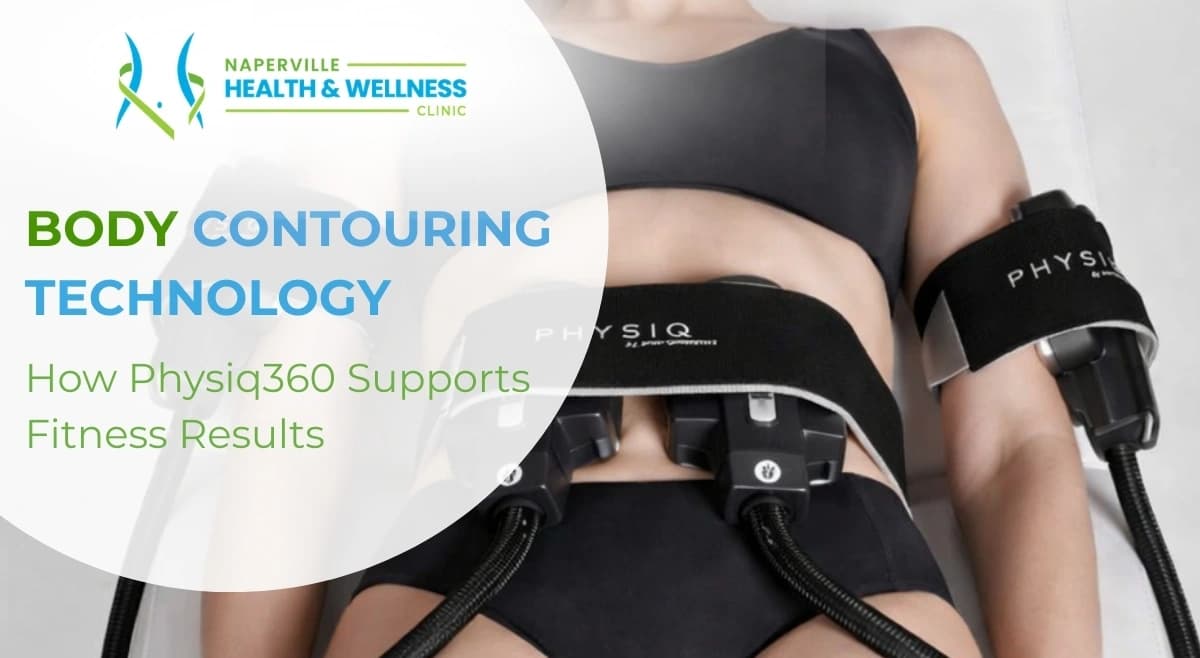
The Science Behind Sequential Thermal & Muscle Stimulation
Stuck at a fitness plateau? Discover the breakthrough science of Sequential Thermal Electrical Pulse (STEP) technology. Learn how the Physiq360 system combines deep tissue heating with targeted muscle activation to "re-educate" your muscles and eliminate stubborn fat cells all without surgery, needles, or recovery time.
Read More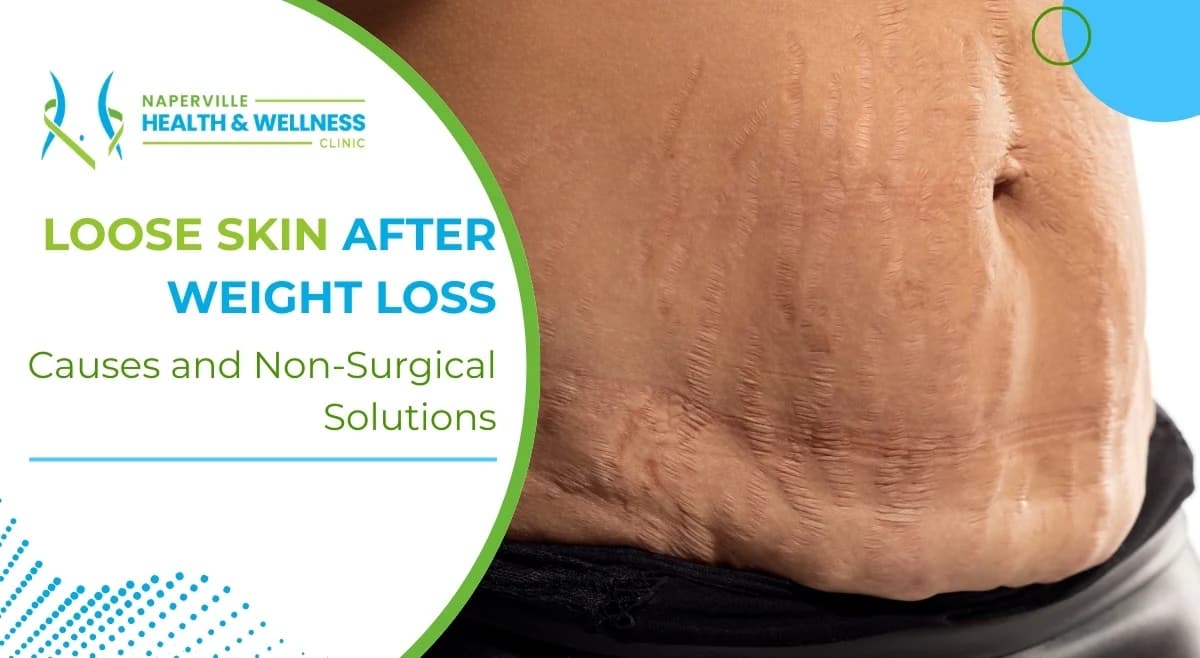
Loose Skin After Weight Loss: Clinical Tightening Solutions
You’ve achieved your weight loss goals now make sure your skin reflects your hard work. Explore the science behind skin elasticity and learn how modern clinical treatments like Radiofrequency and HIFU can tighten and remodel your physique without the downtime of surgery.
Read More
Eating Clean but Gaining Weight? The Reality of Insulin Resistance
You’ve traded soda for seltzer and are hitting the gym daily, yet the scale is moving in the wrong direction. If 'eating clean' isn't working, the problem isn't your willpower, it's your hormones. Discover the physiological 'hidden barrier' of insulin resistance, why it locks your body into fat-storage mode, and the advanced testing steps you can take to finally reclaim your metabolism.
Read MoreReady to Take the Next Step?
From medical weight loss and semaglutide to IV infusions and aesthetic treatments, our Naperville clinic offers comprehensive health and wellness services tailored to your goals.