
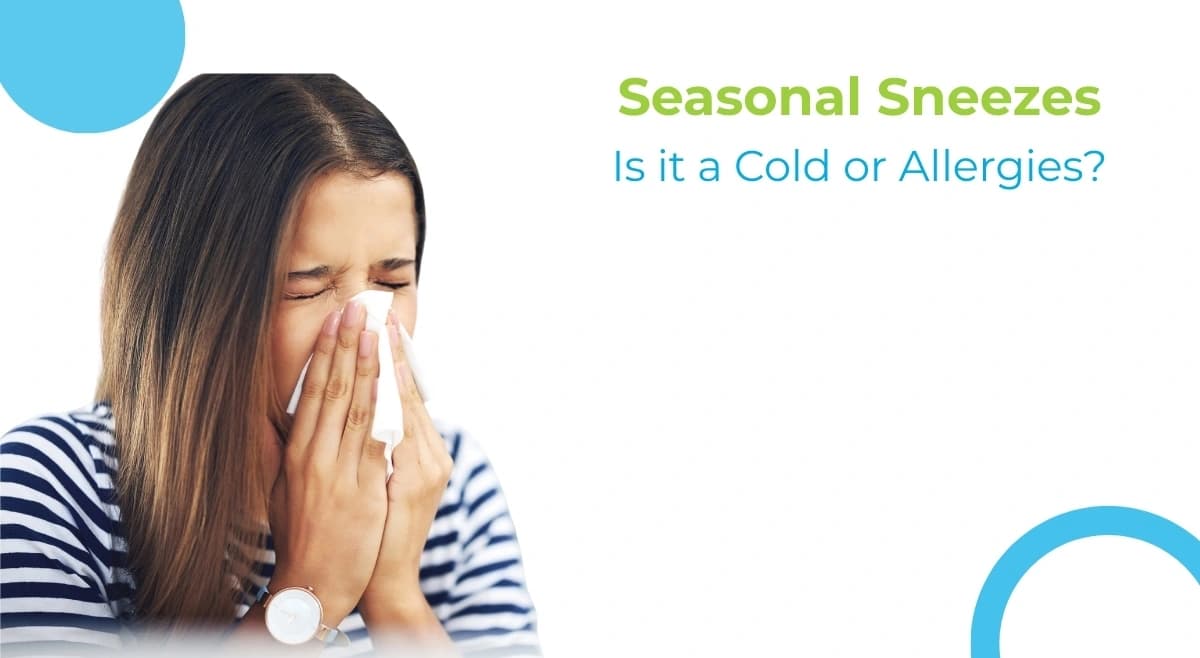
As the seasons change, many of us find ourselves sneezing, sniffling, or reaching for the tissues. But is it a cold or allergies causing all this discomfort? It’s a question many ask when their nose starts running, their throat feels scratchy, or their eyes water uncontrollably. The two conditions share many similar symptoms, making it difficult to tell them apart.
Knowing the difference between a cold and allergies is essential for managing your symptoms effectively. By understanding the unique signs and triggers, you’ll be able to address your condition properly and avoid unnecessary medications or treatments. Let’s walk through the symptoms, causes, and treatment options for both conditions to help you better understand what you’re dealing with.
Understanding the Common Symptoms
Cold Symptoms
According to the CDC, colds are caused by viral infections and tend to bring a variety of symptoms that can make you feel miserable. These may include:
- Runny or Stuffy Nose: This is usually the first sign of a cold.
- Sore Throat: Often one of the earliest symptoms, followed by congestion.
- Coughing: As the cold progresses, a cough becomes more frequent.
- Fatigue: A general tiredness may linger throughout the duration of the cold.
- Body Aches: Many people experience mild aches as their body fights the virus.
Cold symptoms typically last anywhere from 3-14 days, and in some cases, they can persist up to two weeks. They often peak after the first few days and then begin to subside.
Allergy Symptoms
According to NIH, allergic reactions occur when your immune system overreacts to harmless substances like pollen, pet dander, or dust mites. Common allergy symptoms include:
- Sneezing: This is often the most noticeable sign.
- Itchy or Watery Eyes: A hallmark of seasonal allergies.
- Post-nasal Drip: The feeling of mucus dripping down the back of your throat.
- Sinus Congestion: Swelling in the nasal passages that leads to stuffiness.
Unlike colds, allergy symptoms last as long as you’re exposed to the allergen, which may be days, weeks, or even months, depending on the time of year and the type of allergen.
The Key Differences Between a Cold and Allergies
Duration of Symptoms
- Cold: Cold symptoms usually develop gradually, starting with a sore throat, followed by congestion and a runny nose. They can last up to two weeks, often peaking after 2-3 days and then tapering off.
- Allergies: Allergy symptoms persist as long as you’re exposed to the allergen. This can mean weeks or even months, depending on the allergen, such as pollen in the spring or dust mites year-round.
Triggers and Causes
- Cold: A cold is caused by a viral infection, and it’s contagious. The virus spreads through the air when someone with the cold sneezes or coughs or by touching contaminated surfaces.
- Allergies: Allergies are caused by your immune system reacting to substances like pollen, pet dander, or dust mites. They are not contagious, meaning you can’t spread them to others.
How Symptoms Appear
- Cold: Colds tend to start with a sore throat, followed by congestion, sneezing, and a runny nose. As the cold progresses, a cough may develop.
- Allergies: Allergy symptoms usually occur suddenly after exposure to a specific allergen. You may start sneezing, your eyes might water, and you may develop a runny nose, but without fever or body aches.
How to Tell the Difference: Signs to Watch For
Fever
- Cold: A low-grade fever is common in the early stages of a cold, especially in children. Fever typically subsides after a few days.
- Allergies: Allergies never cause a fever, so if you have a fever along with your symptoms, it’s more likely to be a cold.
Eye Symptoms
- Cold: While colds can cause a runny nose and sinus pressure, they rarely affect the eyes.
- Allergies: Watery, red, and itchy eyes are a hallmark of allergies. If your eyes are irritated or swollen, it's likely due to allergies.
Mucus Color
- Cold: You might notice yellow or green mucus as the cold progresses. This color change indicates that your immune system is actively fighting the viral infection.
- Allergies: Allergy mucus tends to be clear and watery, as your body responds to the allergen but isn’t fighting an infection.
Sudden vs. Gradual Onset
- Cold: Colds tend to develop gradually, starting with a sore throat or mild discomfort.
- Allergies: Allergic reactions usually occur suddenly after exposure to a specific allergen. You might suddenly start sneezing, your eyes may water, and your nose may start running shortly after coming into contact with the allergen.
Treatment and Management: What’s Best for You?
How to Treat a Cold
According to MedlinePlus, if you’re dealing with a cold, the goal is to manage symptoms and support your immune system:
- Rest: Allow your body time to recover and heal.
- Hydration: Drink plenty of fluids to stay hydrated, especially water, herbal teas, and broths.
- Over-the-counter medications: Use medications like decongestants, pain relievers, and cough syrup to ease symptoms.
- Humidifiers: Adding moisture to the air can help alleviate congestion and soothe a sore throat.
How to Manage Allergies
According to the FDA, managing allergies involves a combination of avoidance and medication:
- Avoidance: Limit your exposure to allergens by keeping windows closed during high pollen seasons, using air purifiers, and avoiding pet dander.
- Medications: Over-the-counter antihistamines, nasal sprays, and decongestants can help manage symptoms. For more severe allergies, your doctor may prescribe stronger medications.
- Home Remedies: Saline nasal rinses, regular washing of hands and bedding, and keeping your environment clean can help reduce allergen exposure.
When to Seek Medical Attention
When to See a Doctor for a Cold
- If your cold symptoms persist for more than 10 days or worsen, it might indicate a secondary bacterial infection like sinusitis or bronchitis.
- If you experience difficulty breathing, chest pain, or a high fever, consult a healthcare provider immediately.
When to See a Doctor for Allergies
- If your allergy symptoms don’t improve with over-the-counter medications or if they worsen, it’s time to see a doctor.
- Severe allergic reactions (anaphylaxis), including swelling of the throat, difficulty breathing, or dizziness, require immediate medical attention.
Get the Right Care for Cold or Allergy Symptoms
If you're unsure whether your symptoms are caused by a cold or allergies, don't wait to seek help. At Naperville Health & Wellness Clinic, we offer expert guidance to help you navigate your symptoms and find the best treatment for your needs. Whether it's a lingering cold or seasonal allergies, our team is here to support you with personalized care tailored to your health.
Schedule your free consultation today to learn how peptide therapy can transform your health and well-being.
Call us at (877) 885-8784 to schedule your session or learn more.
Follow us on Facebook and Instagram for wellness tips, exclusive offers, and updates on our latest treatments!
FAQs
What are the main differences between a cold and allergies?
A cold is caused by a viral infection, often with fever and body aches, lasting up to two weeks. Allergies are triggered by immune responses to allergens like pollen, causing sneezing, itchy eyes, and a runny nose, without fever.
Can allergies cause a sore throat like a cold does?
Yes, allergies can cause a sore throat due to post-nasal drip, but it’s usually not as severe as a cold-induced sore throat.
How long do allergy symptoms last compared to a cold?
Cold symptoms typically last 3-14 days, while allergy symptoms last as long as you're exposed to allergens, which can be weeks or longer.
Can you get a cold from someone with allergies?
No, allergies are not contagious, but colds are viral infections that can be spread from person to person.
Do allergies cause fever or body aches?
No, allergies do not cause fever or body aches. These symptoms are more common with colds or other infections.
What over-the-counter medications are best for cold symptoms?
For colds, use decongestants, pain relievers (like ibuprofen or acetaminophen), and throat lozenges to manage symptoms.
Are there home remedies for relieving allergy symptoms?
Yes, using saline nasal rinses, staying indoors during high pollen times, and using air purifiers can help alleviate allergy symptoms.
Related Articles

Primary Care vs. Urgent Care: Which One Do You Need?
When you're feeling unwell, deciding whether to visit your primary care doctor or an urgent care center can be confusing. Here's a guide to help you make the right choice.
Read More
What to Do for a Sinus Infection: Home Remedies vs. When to See a Doctor
Sinus infections can be painful, but many can be treated at home. This guide explores effective remedies and signs that indicate when you should consult a doctor for proper treatment.
Read More
The Gut-Brain Connection: How Mental Wellness Starts with Your Health
Explore the powerful link between gut health and mental wellness. Understand how your digestive system affects your brain, mood, and mental clarity, and discover actionable steps to improve your gut health for better overall well-being.
Read MoreReady to Take the Next Step?
From medical weight loss and semaglutide to IV infusions and aesthetic treatments, our Naperville clinic offers comprehensive health and wellness services tailored to your goals.