
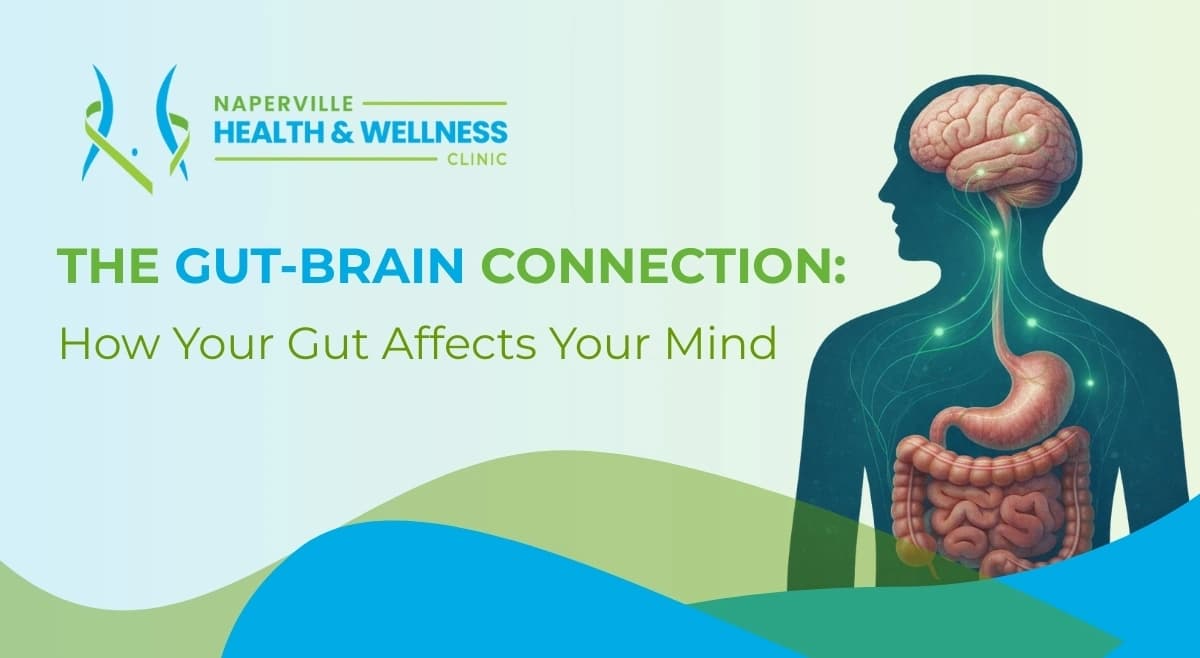
Have you ever felt "butterflies" in your stomach before a big presentation? Or perhaps you’ve noticed that when you’re stressed, your digestion seems to go completely off the rails? These aren't just coincidences or "all in your head." They are physical manifestations of the gut-brain connection, a complex, two-way communication system that links your emotional and cognitive centers with your intestinal functions.
Today, we understand that mental wellness isn't just about what’s happening above the neck. It’s deeply rooted in our digestive system. At our clinic, we see patients every day who struggle with fatigue, low mood, or "brain fog," only to discover that their gut health plays a massive role in how they feel. Understanding this link is the first step toward a more holistic, compassionate approach to your overall well-being.
What Exactly is the Gut-Brain Axis?
The gut-brain axis is the term scientists use for the constant "crosstalk" between your central nervous system (your brain and spinal cord) and your enteric nervous system (the web of nerves in your gut). According to the National Institutes of Health (NIH), this communication is bidirectional. This means that while your brain can send signals to your gut, your gut is also constantly sending updates back to your brain.
The Vagus Nerve: Your Body’s Information Superhighway
One of the primary physical links in this connection is the vagus nerve. Think of it as a massive fiber-optic cable running from your brainstem all the way down to your abdomen. It’s responsible for controlling involuntary functions like heart rate and digestion. Research shared by the NIH suggests that the vagus nerve is a critical component of the stress response; when you are stressed, the vagus nerve signals can actually alter the environment of your gut.
Neurotransmitters: Why Your Gut is Your "Second Brain"
You might think of serotonin, the "feel-good" chemical, as a brain hormone. However, it may surprise you to learn that an estimated 90% to 95% of the body's serotonin is actually produced in the gut. It notes that the trillions of bacteria living in your digestive tract, known as the microbiome, are essential for producing these neurotransmitters that regulate mood, sleep, and even pain tolerance.
How Gut Health Influences Your Mood and Mental Health
It is becoming increasingly clear that a "leaky" or imbalanced gut can lead to more than just a stomach ache. It can impact your mental clarity and emotional stability.
The Link Between Inflammation and Anxiety
When the balance of bacteria in your gut is disrupted, a condition called dysbiosis, it can trigger a low-grade inflammatory response throughout the body. It highlights that chronic inflammation is linked to various systemic health issues. In the context of the gut-brain connection, this inflammation can cross the blood-brain barrier, potentially contributing to feelings of heightened anxiety and irritability.
Can an Unhealthy Microbiome Lead to Depression?
Recent studies supported by NIH suggest that the diversity of your gut bacteria may influence your risk for depression. A diverse microbiome helps maintain the integrity of the intestinal lining. When that lining is compromised, "bad" bacteria can release metabolites that impact brain function. This is why many patients find that improving their diet doesn't just help their waistline, it lifts their "brain fog" and brightens their outlook on life.
Signs Your Gut-Brain Connection Might Be Out of Sync
How do you know if your gut is trying to tell your brain something is wrong? While everyone’s body is different, common signs include:
- Digestive Upset during Stress: Frequent bloating, diarrhea, or constipation that flares up when life gets hectic.
- Food Sensitivities: Suddenly reacting poorly to foods you used to enjoy.
- Mood Swings: Feeling unusually anxious or "low" without a clear external cause.
- Sugar Cravings: "Bad" gut bacteria often thrive on sugar and can actually send signals to your brain that increase cravings.
- Sleep Disturbances: Since the gut produces so much of the body's melatonin and serotonin, a gut imbalance often leads to poor sleep quality.
Steps You Can Take Today to Improve Your Gut and Mental Health
The good news is that the gut-brain connection is highly adaptable. You have the power to influence your mental wellness through small, consistent changes to your lifestyle and diet.
Eating for Your Microbiome
The best way to support your "second brain" is to feed the "good" bacteria. The USDA's MyPlate guidelines emphasize the importance of fiber, which acts as a "prebiotic" or fuel for healthy bacteria.
- Fermented Foods: Foods like yogurt with "live and active cultures," kefir, and sauerkraut can introduce beneficial probiotics to your system.
- Fiber-Rich Veggies: Leafy greens, broccoli, and beans help keep the digestive tract moving and provide the nutrients your microbiome needs.
- Hydration: Water is essential for the mucosal lining of the intestines and for the balance of good bacteria.
Managing Stress to Calm Your Gut
Since the connection is a two-way street, managing your mind can help your gut. High levels of cortisol (the stress hormone) can increase gut permeability. Practices like deep breathing, meditation, or even a simple 20-minute walk can stimulate the vagus nerve and tell your digestive system it is safe to "rest and digest."
When to See a Professional for Digestive or Mental Health Support
While lifestyle changes are a powerful tool, sometimes you need a partner in your health journey. If you are experiencing chronic digestive pain, severe anxiety, or persistent low mood, it is important to consult a healthcare provider. At our clinic, we look at the whole person. We can help rule out underlying conditions like Irritable Bowel Syndrome (IBS) or Small Intestinal Bacterial Overgrowth (SIBO) that might be contributing to your mental health struggles.
You don't have to navigate this alone. Whether you need nutritional guidance or medical intervention, seeking help is a sign of strength and the first step toward feeling like yourself again.
Start Your Wellness Journey Today
Are you ready to take control of your mental wellness? By improving your gut health, you can experience better mood, clarity, and emotional balance. Book a consultation with Naperville Health & Wellness Clinic to get personalized guidance on your wellness journey.
Call us at (877) 885-8784 to schedule your session or learn more.
Follow us on Facebook and Instagram for wellness tips, exclusive offers, and updates on our latest treatments!
FAQs
Can probiotics really help with anxiety?
While research is ongoing, some studies suggest that specific strains of probiotics (sometimes called "psychobiotics") may help reduce anxiety symptoms by lowering inflammation and influencing neurotransmitter production.
How long does it take to improve gut health?
Your microbiome can begin to shift within just a few days of a diet change. However, for significant improvements in the gut-brain connection and mental clarity, most patients need to maintain consistent healthy habits for 4 to 8 weeks.
Is IBS a mental or physical condition?
It is both. It classifies IBS as a disorder of the gut-brain interaction. It involves how the brain and gut work together, meaning emotional stress can trigger physical symptoms, and physical gut issues can cause emotional distress.
Does sugar affect my mental health through my gut?
Yes. High sugar intake can feed harmful bacteria and yeast in the gut, leading to inflammation.
Can the vagus nerve be "reset"?
You can't "reset" it like a computer, but you can improve its "tone." Techniques like cold water immersion (splashing your face with cold water), humming, and slow, diaphragmatic breathing are known to stimulate the vagus nerve and promote relaxation.
Related Articles

Primary Care vs. Urgent Care: Which One Do You Need?
When you're feeling unwell, deciding whether to visit your primary care doctor or an urgent care center can be confusing. Here's a guide to help you make the right choice.
Read More
What to Do for a Sinus Infection: Home Remedies vs. When to See a Doctor
Sinus infections can be painful, but many can be treated at home. This guide explores effective remedies and signs that indicate when you should consult a doctor for proper treatment.
Read More
What Is Functional Medicine? A Holistic Approach to Your Health
Explore functional medicine and how it provides a personalized, holistic solution to chronic health issues. Addressing the root causes of symptoms like fatigue and digestive problems, it offers a comprehensive approach to overall wellness.
Read MoreReady to Take the Next Step?
From medical weight loss and semaglutide to IV infusions and aesthetic treatments, our Naperville clinic offers comprehensive health and wellness services tailored to your goals.