
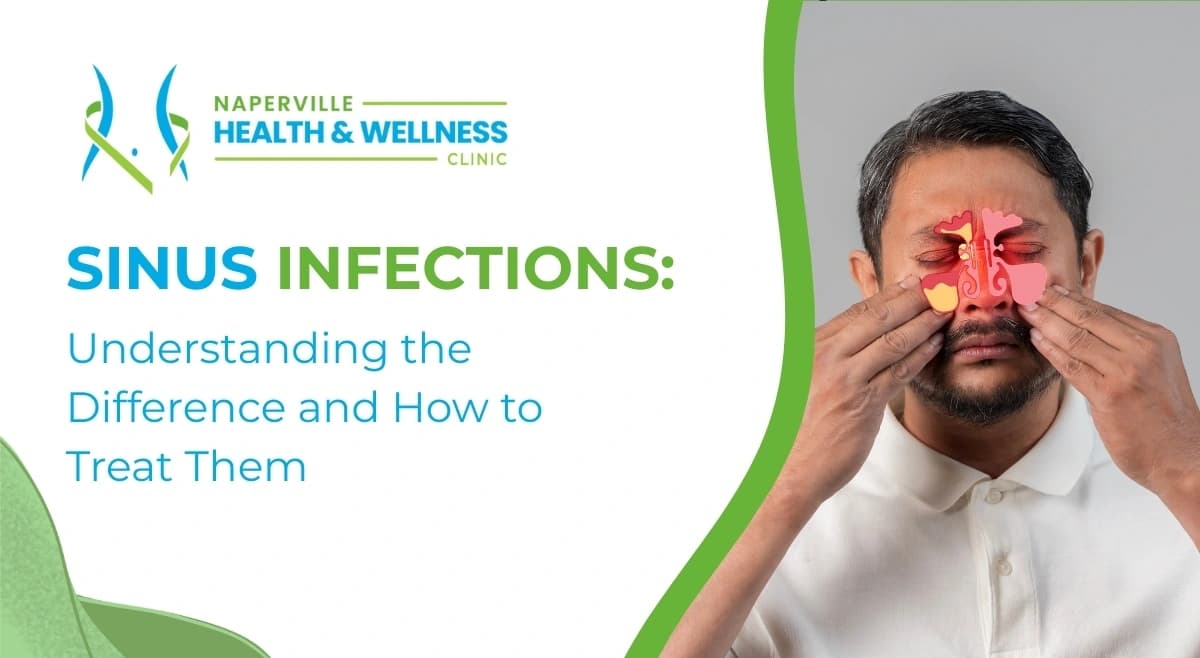
When sinus pain strikes, it can feel like your entire day is on hold. According to MedlinePlus, A sinus infection occurs when the lining of your sinuses, the air-filled pockets in your face, becomes inflamed and swollen. This swelling traps mucus, which allows germs to grow.
While most sinus infections are caused by viruses (like the common cold) and go away on their own, some are caused by bacteria. Knowing the difference is key to getting the right treatment.
Viral vs. Bacterial: Why the Cause Matters
Most people assume they need antibiotics the moment their mucus turns green. However, 9 out of 10 sinus infections in adults are viral. Antibiotics do not kill viruses. Taking them when they aren't needed can lead to side effects or antibiotic resistance.
Effective Home Remedies for Sinus Congestion
If your symptoms just started and are mild, you can often manage them at home. The goal is to thin the mucus and reduce inflammation.
1. Hydration and Steam
It sounds simple, but drinking plenty of fluids helps keep your mucus thin. Inhaling steam can also provide immediate, though temporary, relief. Try sitting in the bathroom with a hot shower running or placing a warm, damp towel over your nose and forehead.
2. Saline Rinses (The Right Way)
Using a saline spray or a Neti pot can help flush out mucus and allergens. However, safety is paramount. You must only use distilled, sterile, or previously boiled (and cooled) water. Using tap water can lead to rare but serious infections.
3. Over-the-Counter (OTC) Support
- Pain Relievers: Acetaminophen or ibuprofen can help with the "facial pressure" and headaches.
- Decongestants: These can help shrink swollen nasal passages, but shouldn't be used for more than a few days, as they can cause "rebound" congestion.
- Nasal Steroid Sprays: These help reduce inflammation over time.
When Home Remedies Aren’t Enough: Signs You Need a Doctor
Sometimes, the body needs a little extra help. If you are wondering what to do for a sinus infection that won't quit, keep an eye on the calendar and the severity of your symptoms.
The "Double Worsening" Rule
One of the most reliable signs of a bacterial infection is "double worsening." This happens when you start to feel better after a cold, but then suddenly get worse again with a high fever and increased pain. The National Institutes of Health (NIH) suggests this often indicates a secondary bacterial infection has taken hold.
Red Flag Symptoms
You should seek medical attention immediately if you experience:
- A fever higher than 102.2°F (39°C).
- Symptoms that last more than 10 days without improvement.
- Confusion or a stiff neck.
- Swelling or redness around the eyes.
- Severe headaches that don't respond to OTC meds.
What to Expect During a Medical Visit
When you visit an urgent care or your primary doctor, they will likely look into your ears, nose, and throat. They want to see the color of the tissue and check for polyps or physical blockages.
If they determine the infection is bacterial, they may prescribe a course of antibiotics. It is vital to finish the entire prescription, even if you start feeling better after two days. Stopping early can allow the strongest bacteria to survive and multiply.
Find Relief from Sinus Pain Today: Explore Home Remedies and Know When to Seek Medical Help
Don’t let sinus congestion ruin your day. Discover proven home remedies to alleviate symptoms and learn when it’s time to seek professional care. If your sinus infection persists, our healthcare experts at Naperville Health & Wellness Clinic are here to help. Book an appointment with us today for fast, effective treatment.
Call us at (877) 885-8784 to schedule your session or learn more.
Follow us on Facebook and Instagram for wellness tips, exclusive offers, and updates on our latest treatments!
FAQs
How long does a sinus infection usually last?
Most viral sinus infections clear up within 7 to 10 days. If symptoms persist longer than that, it’s time to consult a healthcare provider.
Can I get a sinus infection from allergies?
Yes. Allergies cause swelling in the nasal passages, which can block drainage and lead to a sinus infection. Managing your allergies is a great way to prevent future infections.
Is a sinus infection contagious?
The infection itself isn't contagious, but the virus that caused it (like a cold or the flu) is. If your infection is bacterial, you cannot spread it to others.
Why does my face hurt more when I lean forward?
When you lean over, the pressure of the trapped fluid and inflamed tissue in your maxillary sinuses (behind your cheeks) shifts, causing that characteristic throb.
Are antibiotics always necessary?
No. Most infections are viral and won't respond to antibiotics. "Watchful waiting" for a few days is often the best first step.
Can a sinus infection cause a toothache?
Surprisingly, yes. The roots of your upper teeth sit very close to your sinuses. Inflammation in the sinuses can put pressure on those nerves, making it feel like a dental issue.
Related Articles

Primary Care vs. Urgent Care: Which One Do You Need?
When you're feeling unwell, deciding whether to visit your primary care doctor or an urgent care center can be confusing. Here's a guide to help you make the right choice.
Read More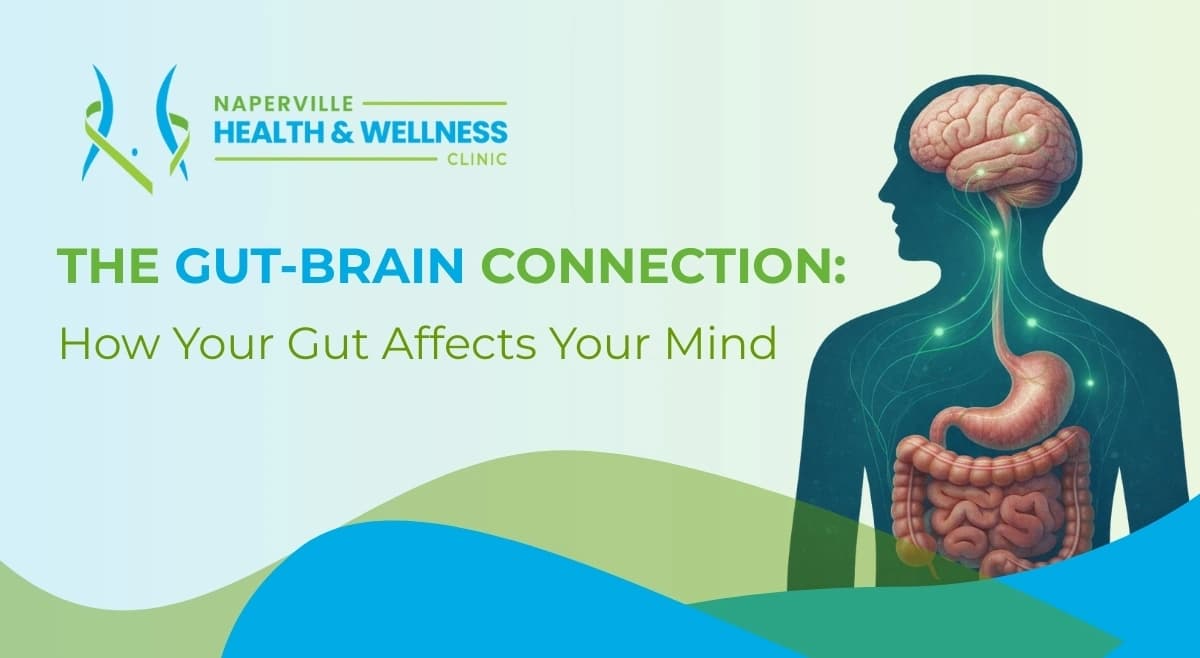
The Gut-Brain Connection: How Mental Wellness Starts with Your Health
Explore the powerful link between gut health and mental wellness. Understand how your digestive system affects your brain, mood, and mental clarity, and discover actionable steps to improve your gut health for better overall well-being.
Read More
What Is Functional Medicine? A Holistic Approach to Your Health
Explore functional medicine and how it provides a personalized, holistic solution to chronic health issues. Addressing the root causes of symptoms like fatigue and digestive problems, it offers a comprehensive approach to overall wellness.
Read MoreReady to Take the Next Step?
From medical weight loss and semaglutide to IV infusions and aesthetic treatments, our Naperville clinic offers comprehensive health and wellness services tailored to your goals.