
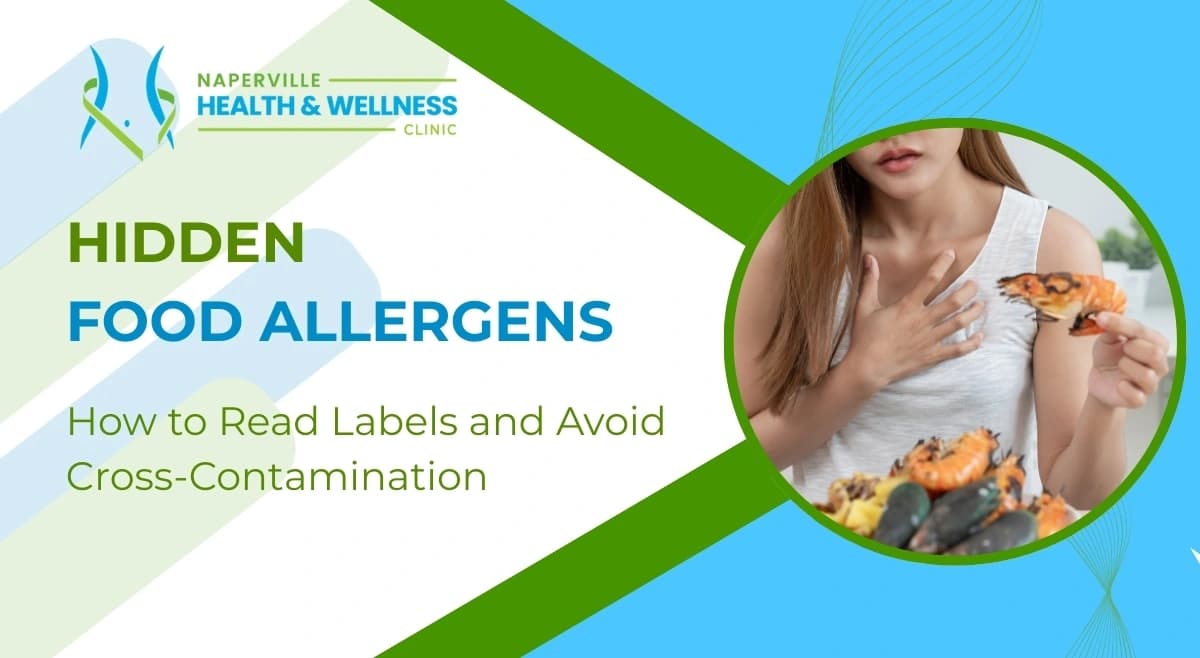
If you’ve ever felt "off" after a meal, your first instinct might be to say you have an allergy. However, medical professionals distinguish between a food allergy and a food sensitivity (often called a food intolerance) based on how your body reacts to the trigger.
While both can make you feel miserable, they involve completely different systems in your body. A food allergy involves your immune system, while a food sensitivity is typically a digestive system issue.
What is a Food Allergy? The Immune System Connection
According to Medline, a food allergy occurs when your immune system overreacts to a specific protein in a food. Your body mistakenly identifies that protein as a harmful invader (like a virus or bacteria) and creates antibodies called Immunoglobulin E (IgE) to fight it off.
The next time you eat even a tiny amount of that food, these antibodies signal your immune system to release chemicals like histamine. This "chemical dump" causes an immediate and sometimes severe physical reaction. According to the FDA, while more than 160 foods can cause allergic reactions, eight major food groups account for the vast majority of issues: milk, eggs, fish, crustacean shellfish, tree nuts, peanuts, wheat, and soybeans.
Common Symptoms of an Allergic Reaction
Allergic reactions typically occur within a few minutes to two hours after ingestion. Symptoms can include:
- Hives, itching, or skin rashes.
- Swelling of the lips, face, tongue, and throat.
- Wheezing or trouble breathing.
- Dizziness or lightheadedness.
When to Seek Emergency Care: Anaphylaxis Explained
The most dangerous aspect of a food allergy is anaphylaxis. This is a severe, whole-body allergic reaction that can be life-threatening. It can cause your airways to narrow and your blood pressure to drop suddenly. If you or a loved one experiences swelling of the throat or difficulty breathing after eating, seek emergency medical care immediately. The NIH emphasizes that prompt administration of epinephrine is the primary treatment for anaphylaxis.
What is Food Sensitivity (Intolerance)?
A food sensitivity or intolerance is much more common than a food allergy. Unlike an allergy, it does not involve the immune system. Instead, it happens when your digestive system struggles to break down a certain food.
Think of it this way: your stomach simply doesn't have the "tools" (usually enzymes) it needs to process what you’ve eaten. A classic example is lactose intolerance, where the body lacks the enzyme lactase to break down the sugars found in milk.
Why Digestive Issues Occur with Sensitivities
Because sensitivities are digestive, symptoms often occur with a delay. You might not feel the effects until several hours after eating, as the food moves through your gastrointestinal tract. Common signs include:
- Bloating and excessive gas.
- Stomach pain or cramping.
- Diarrhea or constipation.
- "Brain fog" or fatigue.
One key difference is that people with a food sensitivity can often eat small amounts of the food without a major reaction. In contrast, someone with a true food allergy must avoid the food entirely, as even microscopic amounts can trigger a crisis.
Comparing the Two: A Side-by-Side Look
To help you distinguish between the two, here is a quick reference guide based on data from the CDC.

How Medical Professionals Diagnose Food Issues
We understand how stressful it is to live with the fear of a reaction. That is why getting a professional diagnosis is so important. You shouldn't have to guess which foods are causing your distress.
The Role of Elimination Diets and Testing
To get to the bottom of your symptoms, a healthcare provider might suggest:
- A Food Diary: Keeping a detailed log of what you eat and when symptoms occur.
- Elimination Diet: Removing suspected foods for a few weeks and then slowly reintroducing them under medical supervision.
- Skin Prick or Blood Tests: Used to identify specific IgE antibodies for true food allergies.
- Breath Tests: Often used to diagnose specific intolerances, like lactose intolerance, by measuring gases in your breath after consuming a trigger.
The National Institute of Allergy and Infectious Diseases (NIAID) notes that while many at-home sensitivity kits are marketed to consumers, many lack scientific validation. It is always best to consult a medical professional for accurate testing.
Managing Your Diet and Staying Safe
Living with a food restriction doesn't mean you can't enjoy eating. It just means you need a plan.
- Read Every Label: The FDA requires clear labeling of major allergens on packaged foods.
- Communicate at Restaurants: Don't be afraid to tell your server about an allergy. Cross-contamination in kitchens is a common source of accidental exposure.
- Carry Medication: If you have a diagnosed severe allergy, always keep your epinephrine auto-injector with you.
- Focus on Whole Foods: Naturally gluten-free and dairy-free whole foods (like fresh vegetables, fruits, and unprocessed meats) are often the safest bet when you are unsure.
Get Clarity on Food Reactions in Naperville
If meals are leaving you bloated, foggy, itchy, or unsure what’s “normal,” you don’t have to guess. At Naperville Health & Wellness Clinic, it can help you sort out whether your symptoms point more toward a food allergy (immune-related) or a food sensitivity/intolerance (digestive-related) and guide you on the safest next steps.
Next steps may include: a symptom review, food diary strategy, and (when appropriate) allergy testing or referrals.
Call us at (877) 885-8784 to schedule your session or learn more.
Follow us on Facebook and Instagram for wellness tips, exclusive offers, and updates on our latest treatments!
FAQs
Can a food sensitivity turn into a food allergy?
Generally, no. They are different biological processes. However, you can have both a sensitivity and an allergy to different foods at the same time.
Is Celiac Disease a food allergy?
No. Celiac Disease is an autoimmune disorder where eating gluten causes the immune system to attack the small intestine.
Why am I developing allergies as an adult?
While many allergies start in childhood, the NIH reports that adult-onset food allergies are becoming more common. Changes in environment, diet, or the gut microbiome may play a role.
Can I outgrow a food allergy?
Many children outgrow allergies to milk, eggs, and soy. However, allergies to peanuts, tree nuts, and shellfish are often lifelong.
Does Benadryl treat a severe food allergy?
Antihistamines like Benadryl can help with mild symptoms like itching or hives, but they cannot stop a severe anaphylactic reaction. Only epinephrine can do that.
How long does a food sensitivity reaction last?
Because it involves digestion, symptoms can last from a few hours to a few days as the food passes through your system.
Related Articles

Primary Care vs. Urgent Care: Which One Do You Need?
When you're feeling unwell, deciding whether to visit your primary care doctor or an urgent care center can be confusing. Here's a guide to help you make the right choice.
Read More
What to Do for a Sinus Infection: Home Remedies vs. When to See a Doctor
Sinus infections can be painful, but many can be treated at home. This guide explores effective remedies and signs that indicate when you should consult a doctor for proper treatment.
Read More
The Gut-Brain Connection: How Mental Wellness Starts with Your Health
Explore the powerful link between gut health and mental wellness. Understand how your digestive system affects your brain, mood, and mental clarity, and discover actionable steps to improve your gut health for better overall well-being.
Read MoreReady to Take the Next Step?
From medical weight loss and semaglutide to IV infusions and aesthetic treatments, our Naperville clinic offers comprehensive health and wellness services tailored to your goals.