
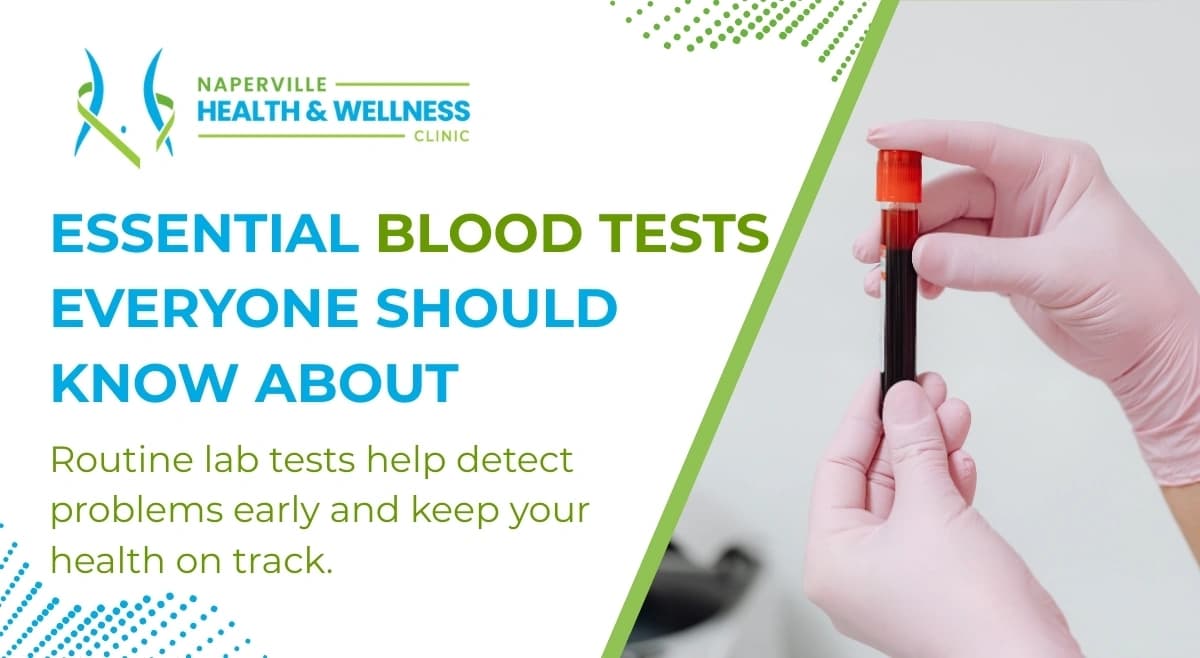
Lab tests are more than just a routine part of a checkup. According to MedlinePlus, these tests allow providers to see if your results fall within a "normal range," which helps in diagnosing conditions, planning treatments, and monitoring ongoing health issues.
Proactive vs. Reactive Care
Waiting until you feel sick to visit a doctor is "reactive care." However, many conditions like high cholesterol or early-stage diabetes often have no symptoms at all. Routine blood work acts as an early-warning system, allowing us to catch small changes before they become big problems.
1. Complete Blood Count (CBC): The Big Picture
The Complete Blood Count (CBC) is one of the most common lab tests performed. Think of it as a census of your blood cells. It looks at three main components:
- White Blood Cells (WBCs): Your immune system's frontline defenders. High counts might suggest an infection, while low counts could indicate an immune system issue.
- Red Blood Cells (RBCs): The oxygen-carriers. This includes measuring hemoglobin, the protein that moves oxygen from your lungs to the rest of your body.
- Platelets: These help your blood clot. If you have too few, you might bruise easily; too many, and you may be at risk for clots.
According to MedlinePlus, CBC is essential for diagnosing anemia, infections, and many other disorders. If you have been feeling unusually tired or weak, this is often the first place we look.
2. Basic Metabolic Panel (BMP): Checking Your Internal Chemistry
According to MedlinePlus, while the CBC looks at cells, the Basic Metabolic Panel (BMP) looks at the chemicals in your blood. This test provides a snapshot of your body's metabolism and fluid balance.
Electrolytes and Kidney Health
The BMP measures eight different substances, including:
- Glucose: Your primary energy source (blood sugar).
- Calcium: Vital for your muscles, heart, and nerves.
- Electrolytes (Sodium, Potassium, Chloride, Bicarbonate): These keep your body's fluids in balance and help your heart and brain function.
- BUN and Creatinine: Medline states that these are waste products that tell us how well your kidneys are filtering your blood.
3. Lipid Panel: Monitoring Your Heart’s Health
A Lipid Panel measures the fats (lipids) in your blood to determine your risk for heart disease. High levels of lipids can lead to a buildup in your arteries, which increases the risk of heart attack or stroke.
Understanding Good vs. Bad Cholesterol
- LDL (Bad) Cholesterol: Medline states that this can build up in blood vessels and increase heart disease risk.
- HDL (Good) Cholesterol: This "good" version helps remove the bad cholesterol from your bloodstream.
- Triglycerides: A type of fat that comes from the food we eat; excess amounts are linked to cardiovascular disease.
Most providers recommend that adults get a lipid panel every few years to keep a close eye on heart health.
4. Hemoglobin A1c (HbA1c): Tracking Blood Sugar Over Time
According to Medline, while a standard glucose test shows your blood sugar at that exact moment, the A1c test is different. It measures your average blood sugar levels over the past 2–3 months.
MedlinePlus states that this test is the gold standard for diagnosing prediabetes and type 2 diabetes. Because it reflects a long-term average, it isn't affected by what you ate for breakfast that morning, giving us a much more accurate picture of how your body manages sugar over time.
5. Liver Function Tests (LFTs): Your Body's Filter
Your liver is your body's "detox center," processing everything you eat, drink, and breathe. Liver Function Tests measure specific enzymes and proteins that the liver releases.
According to clinicalinfo If the liver is stressed or damaged, these enzymes (such as ALT and AST) leak into the bloodstream. LFTs help us detect liver disease, monitor the side effects of certain medications, and check for conditions like hepatitis.
What to Expect During Your Blood Draw
The process of "having blood work done" is usually very fast, often taking less than five minutes.
- Preparation: Some tests, like the BMP or Lipid Panel, may require you to "fast" (not eat or drink anything but water) for 8 to 12 hours before the draw.
- The Draw: A healthcare professional will use a small needle to take a sample from a vein in your arm. You might feel a quick "pinch" or sting, but it's over quickly.
- Recovery: You can usually return to your normal activities immediately. You might have a tiny bruise at the site, which is completely normal and disappears in a few days.
Schedule Your Routine Blood Test Today
Take control of your health today. Schedule your routine blood test at Naperville Health & Wellness Clinic and stay ahead of potential health issues.
Call us at (877) 885-8784 to schedule your session or learn more.
Follow us on Facebook and Instagram for wellness tips, exclusive offers, and updates on our latest treatments!
FAQs
Do I really need to fast before my blood test?
Yes, if your doctor instructs you to. Eating before certain tests, like a glucose or cholesterol check, can cause your levels to spike temporarily, leading to inaccurate results.
How long does it take to get results back?
Most routine results, like a CBC or BMP, are available within 24 to 48 hours. Some specialized tests may take a few days longer.
What if my results are "out of range"?
Don't panic. An "abnormal" result doesn't always mean you are sick. Factors like stress, hydration, or recent exercise can affect your numbers.
Why does my doctor order so many vials?
Each vial contains different additives designed to preserve the blood for specific tests (e.g., one for cells, one for chemicals).
Can I exercise before a blood test?
It's usually best to avoid strenuous exercise right before a blood draw, as it can temporarily affect liver enzymes and potassium levels.
Is it normal to feel dizzy after a blood draw?
Some people experience a "vasovagal response" (feeling lightheaded). If you are nervous or have fainted before, let your technician know; they can have you lie down during the process to keep you comfortable.
Related Articles

Primary Care vs. Urgent Care: Which One Do You Need?
When you're feeling unwell, deciding whether to visit your primary care doctor or an urgent care center can be confusing. Here's a guide to help you make the right choice.
Read More
What to Do for a Sinus Infection: Home Remedies vs. When to See a Doctor
Sinus infections can be painful, but many can be treated at home. This guide explores effective remedies and signs that indicate when you should consult a doctor for proper treatment.
Read More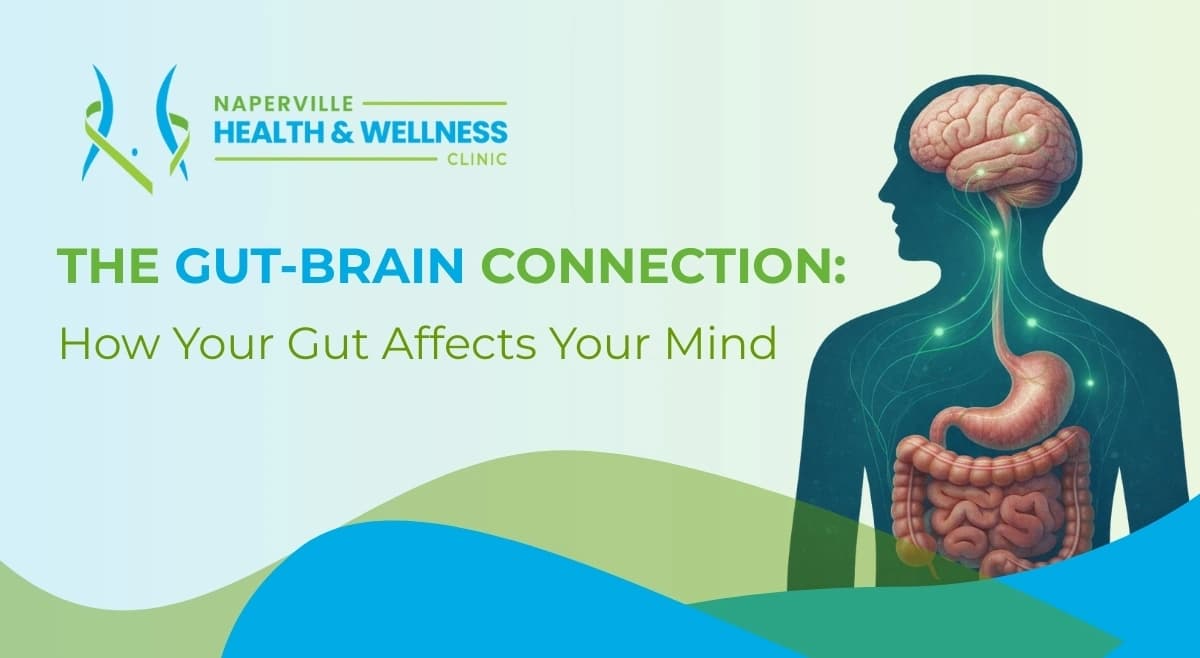
The Gut-Brain Connection: How Mental Wellness Starts with Your Health
Explore the powerful link between gut health and mental wellness. Understand how your digestive system affects your brain, mood, and mental clarity, and discover actionable steps to improve your gut health for better overall well-being.
Read MoreReady to Take the Next Step?
From medical weight loss and semaglutide to IV infusions and aesthetic treatments, our Naperville clinic offers comprehensive health and wellness services tailored to your goals.